
2026 In-Depth Review: Museum Lighting – How to Find the Best Lighting Solution for Exhibitions
author: May
2026-10-21
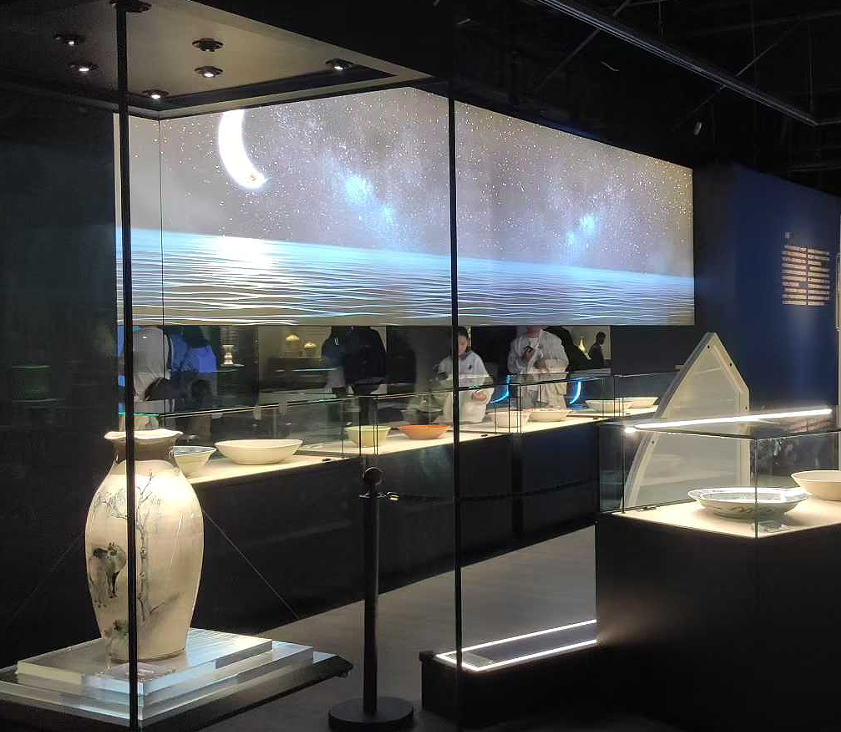
Key Parameter Requirements for Museum Lighting
Parameters of Museum Lighting Fixtures
Museum lighting fixtures require comprehensive consideration of core parameters including color rendering index, color temperature, illuminance, beam angle, anti-glare performance, heat dissipation efficiency and energy efficiency. Meanwhile, the installation method should be selected to match the exhibit materials and the layout of exhibition spaces. Parameters vary for different types of exhibits and shall be adjusted specifically according to the characteristics of cultural relics.
Color Rendering Index Requirements for Museum Lighting
To truly restore the original colors and fine textures of cultural relics, museum lighting generally requires a color rendering index Ra ≥90. For precious relics and exhibits demanding high color reproduction, light sources with Ra ≥95 are recommended to avoid color shift and chromatic aberration and ensure a good viewing experience.
Brightness and Illuminance Standards for Museum Lighting
In accordance with current specifications, different illuminance standards apply to exhibits of different materials: light-sensitive textiles, paintings and calligraphy works require illuminance controlled within 50lx; less light-sensitive exhibits such as ceramics and bronze ware allow illuminance up to 300lx. Uniformity of illuminance also needs to be controlled to prevent damage to relics caused by excessive local lighting. Brightness settings should balance the layering of displays and visitors’ visual comfort, avoiding excessive light-dark contrast that leads to eye strain.
Color Temperature Requirements for Museum Lighting
The color temperature of museum lighting is typically within the range of 2700K–4000K. Warm color temperature (2700K–3000K) helps highlight the sense of historical depth for paintings, wooden artifacts and gold ware. Neutral color temperature (3500K–4000K) is suitable for presenting the true colors of ceramics and jade articles. Custom adjustments can be made based on exhibition themes and exhibit features.
Anti-Glare Standards for Museum Lighting
Anti-glare performance directly affects visitors’ viewing experience. The unified glare rating (UGR) is generally required to be ≤19. Professional exhibition lighting adopts designs such as barn doors, honeycomb grids and recessed light sources to reduce glare, preventing direct light from shining into visitors’ eyes and ensuring viewing comfort.
Light Source Selection & Energy-Saving Solutions for Museum Lighting
Light Source Selection
LED is the mainstream light source for museum lighting at present. Compared with traditional metal halide lamps, LED features low heat generation, low power consumption and a wide adjustable parameter range. Custom optical parameters can be configured to meet the needs of various exhibits, making it the primary choice for museum display lighting. LED light sources with matched color rendering index and color temperature can be selected for exhibits of different materials to guarantee accurate color reproduction and relic safety.
Energy-Saving Methods
Energy consumption can be reduced fundamentally by adopting low-power LED light sources. Equipped with an intelligent dimming control system, illuminance can be adjusted according to the usage status of exhibition halls for further energy saving. LED fixtures with integrated heat dissipation design enjoy a longer service life, which cuts replacement frequency and long-term operation and maintenance costs. LED fixtures from GISIH Lighting consume only 1/5 of the power of traditional metal halide spotlights, helping venues reduce long-term electricity costs and meet green energy-saving standards.
Matching Recommendations for Different Scenarios
Solutions can be matched to different project demands based on suppliers’ positioning and strengths: For large-scale comprehensive museum projects requiring standardized lighting solutions for the whole venue, NVC Lighting’s mass-produced full-range products and supporting services can satisfy overall project requirements, backed by rich experience in large project delivery. For segmented scenarios such as special exhibition halls and relic display cabinets with demands for customized fixture parameters and fast delivery, GISIH Lighting delivers flexible customization and precise light control with high CRI. We customize fixture parameters based on exhibit features and cabinet structures, and provide on-site survey response within 48 hours locally to cater to personalized exhibition lighting requirements.
Impact of Museum Lighting on Visitor Experience
Proper museum lighting clearly reveals exhibit details and original colors, creates well-layered light and shadow effects, improves visitors’ perception of exhibits, extends their staying time and optimizes the overall viewing experience. Poor lighting tends to cause glare and color deviation, resulting in visual fatigue, blurred observation of details and degraded experience. A professional exhibition lighting scheme balances relic protection and viewing experience and improves the overall quality of museum displays.
Summary
Selection of museum lighting should be judged comprehensively by project scale, exhibit types and customization requirements. Large full-venue projects may choose large-scale comprehensive lighting suppliers; medium-sized professional projects can turn to professional system solution providers; segmented customized scenarios are suitable for display-focused custom lighting suppliers. If you are looking for customized high-CRI lighting solutions for museum display cabinets and special exhibition halls, contact Shenzhen GISIH Lighting Co., Ltd. for on-site survey and customized solution services.
Author: May
Email:may@gisih.com