How to Plan Lighting for Custom Jewelry Display Cabinets
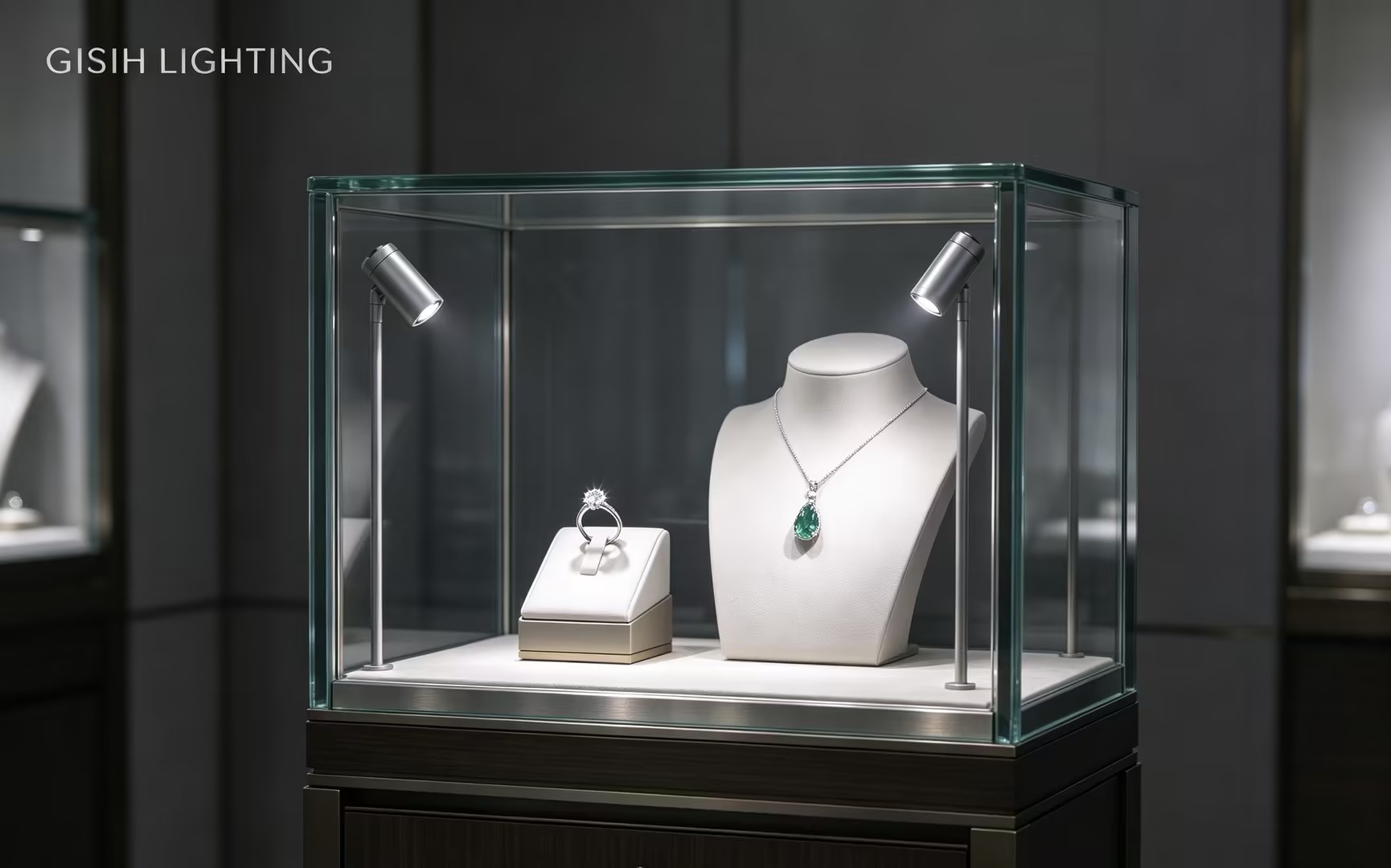
Custom jewelry display cabinets require more than an attractive design. Proper lighting is essential for highlighting the details of jewelry, creating a premium shopping experience, and making products easier for customers to view. For jewelry retailers, showcase manufacturers, and commercial interior designers, planning the lighting system early can help avoid installation problems and achieve a more consistent display effect.
So, what should you consider when planning lighting for custom jewelry display cabinets?
1. Start with the Cabinet Design and Dimensions
Before selecting lighting fixtures, consider the cabinet's overall dimensions, internal structure, shelf positions, and the types of jewelry to be displayed.
Rings, necklaces, earrings, bracelets, and watches have different shapes, sizes, and reflective surfaces. Small items may require focused accent lighting, while larger display areas may benefit from a wider distribution of light.
It is also important to consider the height and depth of each display section. These measurements help determine suitable fixture positions and reduce the risk of uneven illumination or unwanted shadows.
For custom projects, coordinating the lighting plan with the cabinet design from the beginning can make installation more efficient.
2. Choose the Right Lighting Positions
Lighting position affects how jewelry appears to customers. Different fixture types can serve different purposes within the same showcase.
Mini LED spotlights are suitable for highlighting individual products or small display areas. Vertical showcase spotlights can provide accent lighting along the sides of a cabinet, while top-mounted lighting can illuminate broader display sections.
When planning the layout, consider the viewing direction, shelf arrangement, and position of each item. Fixtures should be placed to highlight important details without creating distracting reflections or harsh shadows.
The best arrangement depends on the cabinet structure and the desired visual effect. A combination of lighting types may be more suitable than relying on a single fixture throughout the entire display.
3. Plan the Power Supply and Wiring in Advance
Power supply and wiring should be considered before the cabinet is manufactured or assembled.
First, confirm the input voltage required by the selected lighting fixtures and ensure that the power supply is compatible with the system. For low-voltage products, such as 12V LED showcase lights, the appropriate power supply must be selected according to the connected fixtures and their total electrical load.
Next, reserve sufficient space for cables, connectors, and power supplies. Wiring should be arranged neatly and kept accessible for inspection or maintenance whenever possible.
For cabinets with multiple shelves or lighting sections, planning the electrical layout early can help reduce installation difficulties and simplify future servicing.
4. Select Lighting Specifications Based on the Display Requirements
Several lighting specifications influence the final appearance of a jewelry display.
Color rendering: A high color rendering index (CRI) helps reveal the colors and details of jewelry more accurately. The appropriate CRI should be selected according to the display requirements and the specifications of the chosen fixture.
Color temperature: Different color temperatures create different visual impressions. Warmer light can create an inviting atmosphere, while neutral white light can provide a cleaner, more contemporary appearance. The most suitable option depends on the jewelry, cabinet materials, and store design.
Beam angle: Narrower beams can concentrate light on small objects, while wider beams can cover larger areas. The appropriate beam angle depends on fixture height, display dimensions, and the desired lighting effect.
These specifications should be considered together rather than selected independently.
5. Consider Installation and Future Maintenance
A well-planned lighting system should be practical as well as visually effective.
Before choosing fixtures, confirm the available mounting space, installation method, and accessibility of electrical connections. Surface-mounted fixtures, recessed lights, and magnetic track systems each have different structural requirements.
For example, magnetic track lighting may offer flexibility when the cabinet is designed to accommodate a compatible track system. However, compatibility must be confirmed before installation.
It is also worth considering how fixtures will be accessed for cleaning, replacement, or adjustment. A lighting layout that allows convenient maintenance can help reduce disruption to daily retail operations.
6. Work with a Lighting Supplier Early in the Project
For custom jewelry display cabinets, involving a specialized lighting supplier during the design stage can help align fixture selection with the cabinet structure and project requirements.
GISIH LIGHTING provides lighting solutions for jewelry showcases and other display applications, including mini LED spotlights and vertical showcase spotlights. Depending on the selected model, available options may include different beam angles, color temperatures, and installation configurations.
By sharing cabinet drawings, dimensions, shelf layouts, and lighting preferences early, project teams can evaluate suitable fixture options before production begins.
Plan Your Showcase Lighting with GISIH LIGHTING
Successful jewelry showcase lighting starts with careful planning. Cabinet dimensions, fixture positions, power supply, wiring, lighting specifications, and maintenance access all contribute to the final result.
Whether you are a jewelry retailer, showcase manufacturer, or commercial design professional, considering these details early can help create a display that presents jewelry effectively and supports long-term use.
Contact GISIH LIGHTING to discuss your custom jewelry display cabinet lighting requirements.
GISIH LIGHTING – Professional Lighting for Premium Displays.
GISIH Lighting Kicks Off at HKTDC Hong Kong International Lighting Fair (Autumn Edition) 2026 — A Vibrant Opening Day Full of Global Buyer Engagement
Emerging Trends in Premium Jewelry & Watch Commercial Lighting in 2026: Lighting as a Tool to Unlock Exhibit Value
Related Article