Analysis of LED lighting requirements and design points in different areas of shopping malls
2022-04-28
Shopping mall lighting is considered to be one of the most mature and rapid areas of LED application. The shopping mall is not only a place to buy items, but also to create an environment suitable for leisure. The lighting effect is indeed indispensable. LED lighting has a strong advantage in expressiveness. But whether LED can play a greater role in the shopping mall lighting market needs to be based on the specific lighting environment and the humanized needs of consumers, and refine the various performance parameters and lighting effects of each product.
Shopping mall lighting design is the behavior of customers to purchase products. In the process of browsing and selection, according to the visual requirements of customers, the characteristics of various products, and the space where each product is located, scientific design is carried out to make customers feel comfortable. visual effect.
At the same time, reasonable illuminance (commonly known as brightness), good color reproduction, suitable brightness distribution, and a comfortable visual environment; through reasonable lighting design, customers can be attracted to the goods and create a comfortable shopping environment. , to stimulate customers' desire to buy. This article will mainly analyze the lighting needs and design points of different areas of the shopping mall.
1. Illumination and color temperature affect people's psychological feelings
Lighting not only has the function of illuminating, but also has an impact on people's psychology: the higher the color temperature, the cooler it will feel, and the lower the color temperature, the warmer it will be. Psychologists have found that in a red environment, people's pulse will speed up, blood pressure will rise, and their emotions will be easily excited and impulsive; in a blue environment, the pulse will slow down and their emotions will be calmer. Different colors have different reflections on taste, which is also related to people's instinctive reactions to objects, such as apples and oranges when they see red and yellow. Red and yellow are sweet, sour and sweet, which can stimulate appetite and increase appetite; while black-green and blue-green feel bitter and affect appetite.
Different illuminance and color temperature have very different influences on people's psychological reactions, and the spatial impression is determined according to the environmental impression of color temperature and illuminance. Japan has done a lot of research on contrast and people's psychological feelings. High color temperature requires high chromaticity, and low color temperature requires low illumination.
The purpose of store lighting is mainly to attract consumers' interest through "commodity visualization" by providing suitable lighting and illuminance, color temperature, color rendering and brightness changes for different commodities and areas, and to communicate with customers through silent language. , to convey product information, service concept and brand culture to customers in order to achieve the purpose of promoting commodity sales, reducing inventory and establishing brand image.
In order to properly display the products in front of the customers, it is very important to use the corresponding light appropriately to attract the customers' attention and stimulate the customers' desire to buy. The light of the store space can be considered from two directions: "space light", which interprets the overall impression of the space, and "product light", which effectively displays the effect of products. In the store lighting, the three lighting elements of ambient lighting, accent lighting and decorative lighting are coordinated with each other, and a corresponding lighting plan that conforms to the store concept is adopted.
2. Lighting in different areas of shopping malls
Different types of shopping malls and different subdivisions of shopping malls have different specific requirements for lighting effects, so the focus of their lighting design is also different.
At present, the main lamps and light sources used for environmental lighting in shopping malls include downlights of compact energy-saving lamps and fluorescent lamp brackets of T5/T8, grille lamps and metal halide lamps. Is it suitable for LED to enter the basic lighting of shopping malls as a new generation of light sources? Experts generally believe that commercial lighting is the first general lighting application field that LEDs enter, and improving luminous flux, reliability and cost performance is the key to its rapid intervention. Shopping mall lighting can be further refined according to different occasions, and different commodities have different lighting requirements.
(1) Fruits, rusty and flowers
Fresh produce and flowers have the brightest colors, and pure white lighting can most directly reflect verdant greens and fragrant, sweet reds. Dark fruits and vegetables such as red and yellow use warm light of about 3300K, and light-colored vegetables such as green generally use 4500K-5500K cool white light, and the color rendering should be above 80. LEDs have a wide color temperature range, which can restore the most vivid and vivid colors of items, increase customers' desire to buy, and enhance the circulation and preservation of goods.
(2) Meat and poultry
Fresh and high-quality meat and poultry products must look clean and hygienic, and the light pink color makes beef and mutton look fresher. Balanced lighting with warmer tones can make meat and poultry look fresher and more appealing. The use of LED light sources with low color temperature and more red spectral components can not only increase the color rendering effect of meat, but also have less infrared heat radiation, which is conducive to longer storage and anti-corrosion.
(3) Sea food
The fresh and high-quality fish and marine commodity areas should use cool lighting that is different from other commodity areas. The cool white lighting effect reminds consumers of clear sea water, and can make the seafood look as if it has just been salvaged from the sea. Using LED light sources with high color temperature and more blue spectral components can not only increase the color rendering effect, but also have less infrared heat radiation, which is conducive to longer-term storage and anti-corrosion.
(4) Baked and fried foods
Warm-toned lighting makes yellow baked goods even more delicious and appealing, giving them a fresh-from-the-bath feel. Stepping into the bakery section, consumers will find the light here a buff amber. The soft yellowish lighting effect evokes the warm feeling and enticing aroma of cooked pastries. The overall visual effect can be further enhanced by using the same soft, warm lighting on the shelves.
(5) Jewelry
Jewelry belongs to luxury goods, and the price is generally more expensive, so ensure that the counter is bright and eye-catching, harmonious indoor light, clearly present the correct color of the jewelry, show the meticulous craftsmanship and true color of the jewelry, attract the attention of customers, and send out the most attractive The light of people attracts customers to buy.
When choosing lighting for a jewelry store, the key factors to consider include color temperature, lighting level, flicker, infrared and ultraviolet rays, etc. According to relevant data, jewelry can show the best appearance effect under the illumination of 3300K-7000K color temperature light. Different jewelry has different requirements, such as gold jewelry, jade and diamond lighting requirements are very different. At present, LED has become a new favorite for jewelry lighting because of its wide color temperature range, low heat generation, and almost no ultraviolet and infrared.
(6) Apparel products
There are many kinds of clothing, and there are many ways to display, natural and warm light effects are the best. Generally, downlights and various adjustable angle spotlights are used for accent lighting. Most of the light sources are halogen tungsten lamps and metal halide lamps, which require high color rendering. However, both tungsten halogen lamps and metal halide lamps have the characteristics of large heat generation. The use of LED spotlights and LED downlights with high color rendering can effectively solve these problems.
If the technology of color temperature adjustment is applied to clothing display lighting, it can create a shopping atmosphere that is cool in summer and warm in winter, which is of great help to the promotion of clothing products. Compared with tungsten halogen lamps, metal halide lamps and fluorescent tubes, LED light sources have some outstanding advantages, such as high luminous efficiency, energy saving; long life, low maintenance; wide color temperature range, simple and flexible control, dimmable color tone; LED does not contain mercury , almost no infrared ultraviolet, green and so on.
Shopping mall lighting design is the behavior of customers to purchase products. In the process of browsing and selection, according to the visual requirements of customers, the characteristics of various products, and the space where each product is located, scientific design is carried out to make customers feel comfortable. visual effect.
At the same time, reasonable illuminance (commonly known as brightness), good color reproduction, suitable brightness distribution, and a comfortable visual environment; through reasonable lighting design, customers can be attracted to the goods and create a comfortable shopping environment. , to stimulate customers' desire to buy. This article will mainly analyze the lighting needs and design points of different areas of the shopping mall.
1. Illumination and color temperature affect people's psychological feelings
Lighting not only has the function of illuminating, but also has an impact on people's psychology: the higher the color temperature, the cooler it will feel, and the lower the color temperature, the warmer it will be. Psychologists have found that in a red environment, people's pulse will speed up, blood pressure will rise, and their emotions will be easily excited and impulsive; in a blue environment, the pulse will slow down and their emotions will be calmer. Different colors have different reflections on taste, which is also related to people's instinctive reactions to objects, such as apples and oranges when they see red and yellow. Red and yellow are sweet, sour and sweet, which can stimulate appetite and increase appetite; while black-green and blue-green feel bitter and affect appetite.
Different illuminance and color temperature have very different influences on people's psychological reactions, and the spatial impression is determined according to the environmental impression of color temperature and illuminance. Japan has done a lot of research on contrast and people's psychological feelings. High color temperature requires high chromaticity, and low color temperature requires low illumination.
The purpose of store lighting is mainly to attract consumers' interest through "commodity visualization" by providing suitable lighting and illuminance, color temperature, color rendering and brightness changes for different commodities and areas, and to communicate with customers through silent language. , to convey product information, service concept and brand culture to customers in order to achieve the purpose of promoting commodity sales, reducing inventory and establishing brand image.
In order to properly display the products in front of the customers, it is very important to use the corresponding light appropriately to attract the customers' attention and stimulate the customers' desire to buy. The light of the store space can be considered from two directions: "space light", which interprets the overall impression of the space, and "product light", which effectively displays the effect of products. In the store lighting, the three lighting elements of ambient lighting, accent lighting and decorative lighting are coordinated with each other, and a corresponding lighting plan that conforms to the store concept is adopted.
2. Lighting in different areas of shopping malls
Different types of shopping malls and different subdivisions of shopping malls have different specific requirements for lighting effects, so the focus of their lighting design is also different.
At present, the main lamps and light sources used for environmental lighting in shopping malls include downlights of compact energy-saving lamps and fluorescent lamp brackets of T5/T8, grille lamps and metal halide lamps. Is it suitable for LED to enter the basic lighting of shopping malls as a new generation of light sources? Experts generally believe that commercial lighting is the first general lighting application field that LEDs enter, and improving luminous flux, reliability and cost performance is the key to its rapid intervention. Shopping mall lighting can be further refined according to different occasions, and different commodities have different lighting requirements.
(1) Fruits, rusty and flowers
Fresh produce and flowers have the brightest colors, and pure white lighting can most directly reflect verdant greens and fragrant, sweet reds. Dark fruits and vegetables such as red and yellow use warm light of about 3300K, and light-colored vegetables such as green generally use 4500K-5500K cool white light, and the color rendering should be above 80. LEDs have a wide color temperature range, which can restore the most vivid and vivid colors of items, increase customers' desire to buy, and enhance the circulation and preservation of goods.
(2) Meat and poultry
Fresh and high-quality meat and poultry products must look clean and hygienic, and the light pink color makes beef and mutton look fresher. Balanced lighting with warmer tones can make meat and poultry look fresher and more appealing. The use of LED light sources with low color temperature and more red spectral components can not only increase the color rendering effect of meat, but also have less infrared heat radiation, which is conducive to longer storage and anti-corrosion.
(3) Sea food
The fresh and high-quality fish and marine commodity areas should use cool lighting that is different from other commodity areas. The cool white lighting effect reminds consumers of clear sea water, and can make the seafood look as if it has just been salvaged from the sea. Using LED light sources with high color temperature and more blue spectral components can not only increase the color rendering effect, but also have less infrared heat radiation, which is conducive to longer-term storage and anti-corrosion.
(4) Baked and fried foods
Warm-toned lighting makes yellow baked goods even more delicious and appealing, giving them a fresh-from-the-bath feel. Stepping into the bakery section, consumers will find the light here a buff amber. The soft yellowish lighting effect evokes the warm feeling and enticing aroma of cooked pastries. The overall visual effect can be further enhanced by using the same soft, warm lighting on the shelves.
(5) Jewelry
Jewelry belongs to luxury goods, and the price is generally more expensive, so ensure that the counter is bright and eye-catching, harmonious indoor light, clearly present the correct color of the jewelry, show the meticulous craftsmanship and true color of the jewelry, attract the attention of customers, and send out the most attractive The light of people attracts customers to buy.
When choosing lighting for a jewelry store, the key factors to consider include color temperature, lighting level, flicker, infrared and ultraviolet rays, etc. According to relevant data, jewelry can show the best appearance effect under the illumination of 3300K-7000K color temperature light. Different jewelry has different requirements, such as gold jewelry, jade and diamond lighting requirements are very different. At present, LED has become a new favorite for jewelry lighting because of its wide color temperature range, low heat generation, and almost no ultraviolet and infrared.
(6) Apparel products
There are many kinds of clothing, and there are many ways to display, natural and warm light effects are the best. Generally, downlights and various adjustable angle spotlights are used for accent lighting. Most of the light sources are halogen tungsten lamps and metal halide lamps, which require high color rendering. However, both tungsten halogen lamps and metal halide lamps have the characteristics of large heat generation. The use of LED spotlights and LED downlights with high color rendering can effectively solve these problems.
If the technology of color temperature adjustment is applied to clothing display lighting, it can create a shopping atmosphere that is cool in summer and warm in winter, which is of great help to the promotion of clothing products. Compared with tungsten halogen lamps, metal halide lamps and fluorescent tubes, LED light sources have some outstanding advantages, such as high luminous efficiency, energy saving; long life, low maintenance; wide color temperature range, simple and flexible control, dimmable color tone; LED does not contain mercury , almost no infrared ultraviolet, green and so on.
Natural light stimulation can prevent the occurrence of myopia!
LED Lighting Lamp
Related Article
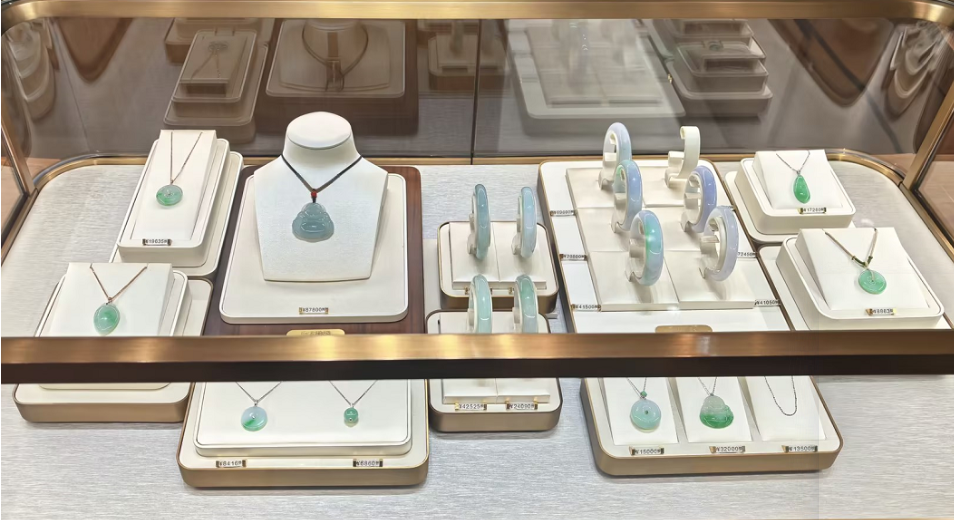

This article outlines four essential principles for professional museum artifact lighting: relic protection, authentic color restoration, immersive viewing experience, and stable energy-efficient performance. It showcases how GISIH Lighting applies advanced low-harm, high-color-rendering optical technology to deliver safe, precise and museum-grade lighting solutions.
Lighting Principles for Museum Artifact Exhibition